Vuosina 2019 ja 2020 kävin verikokeissa, joissa havaittiin, että vereni natrium-pitoisuus oli alle viitearvojen eli suolapitoisuus veressäni oli normaalia alhaisempi. Kyse oli siitä, että minulla oli hyponatremia (Duodecim Terveyskirjasto -linkki). Primaarin Addisonin taudin diagnoosin sain vasta maaliskuussa 2021 Addisonin taudin kriisin yhteydessä.
Ensimmäinen lääkäri kysyi: “kuivatatko itseäsi?”
Ensimmäinen poikkeavuus veren natrium-tasapainossa löytyi vuonna 2019. Verikokeen tilannut lääkäri kysyi minulta, että kuivatanko itseäni, sillä veren natrium-arvo oli alle viitearvojen. En ymmärtänyt kysymystä, koska en ollut kuullut “kuivattamisesta” aiemmin. Sanoin, että en, koska en tehnyt mitään arjesta poikkeavaa eli join vettä ja söin suolaa ihan samalla tavoin ja samoja määriä kuin aiemmin ja ennen ei ikinä ollut mitään ongelmaa veren suolapitoisuuden kanssa.
Kyseinen lääkäri konsultoi vielä toista lääkäriä, ja viitearvojen alla olevaan natrium-arvoon ei päätetty puuttua enempää. Asia jäi siihen.
Sairaanhoitaja ohjeisti: “syö lisää suolaa”
Soitin hoitopaikkaani uudelleen eräästä toisesta asiasta ja sain siihen sairaanhoitajalta avun. Kun samalla vielä kysyin häneltä tuosta natrium-asiasta, sairaanhoitaja antoi minulle ohjeen, että söisin runsaammin suolaa, että veren natrium-pitoisuus nousisi.
(Natrium-pitoisuus ei koskaan noussut tämän toimen avulla, koska lisämunuaisen kuorikerrokseni ei enää tuottanut tarpeeksi suolahormonia (aldosteroni), joka ylläpitää natrium-tasoa riittävänä veressä.)
Ihotulehduksen kautta uudelleen terveydenhuollon hoiviin
Sain laajan ihotulehduksen. Se saattoi johtua siitä, että kehoni ei Addisonin taudin takia tuottanut enää tarpeeksi kortisolia, joka taistelee normaalisti infektioita vastaan.
Pyysin päästä lääkärille, mutta sairaanhoitaja diagnosoi minulle puhelimessa ihon sieni-infektion, vaikka kuvailemani iho-oireet ja niiden laajuus kehossa eivät selkeästi vastanneet hänen kuvailuaan sieni-infektiosta. Hän ohjeisti käyttämään apteekista saatavaa sienilääkettä hoitona näkemättä infektoitunutta ihoani.
Käytin sienilääkettä kolme päivää helvetillisten kipujen (!) kanssa joita sienilääke infektoituneessa ihossani aiheutti. Ihon tulehdustila ei hellittänyt, vaan oireet pahenivat edelleen, koska kyseessä ei ollut sieni-infektio. Lopulta sairaanhoitaja antoi minulle ajan lääkärille.
Toinen lääkäri totesi: “lievä hyponatremia on okei”
Sain sitten viimein ajan terveyskeskuksen lääkärille. Tämä siis vuoden 2020 marraskuussa. Hän otti verikokeet poikkeavan iho-oireilun takia ja totesi, että kyse ei ole sieni-infektiosta ja määräsi siihen kortisonivoidetta. Verikokeet paljastivat jälleen, että natrium-arvoni olivat vieläkin alle viitearvojen, mutta se oli lääkärin mielestä vaaratonta eli siis okei.
Viitearvojen alla pysyneeseen natrium-tasoon ei siis puututtu, vaikka noin vuoden ajan olin kärsinyt matalasta verenpaineesta (virallisesti mitattu lääkärissä) ja huimauksesta, joka aiheutti pahoinvointia ja jopa muutaman kerran kaatumisen. En osannut vaatia enempää apua, vaikka olisi pitänyt tuossa vaiheessa taistella ja vaatia jatkotutkimuksia.
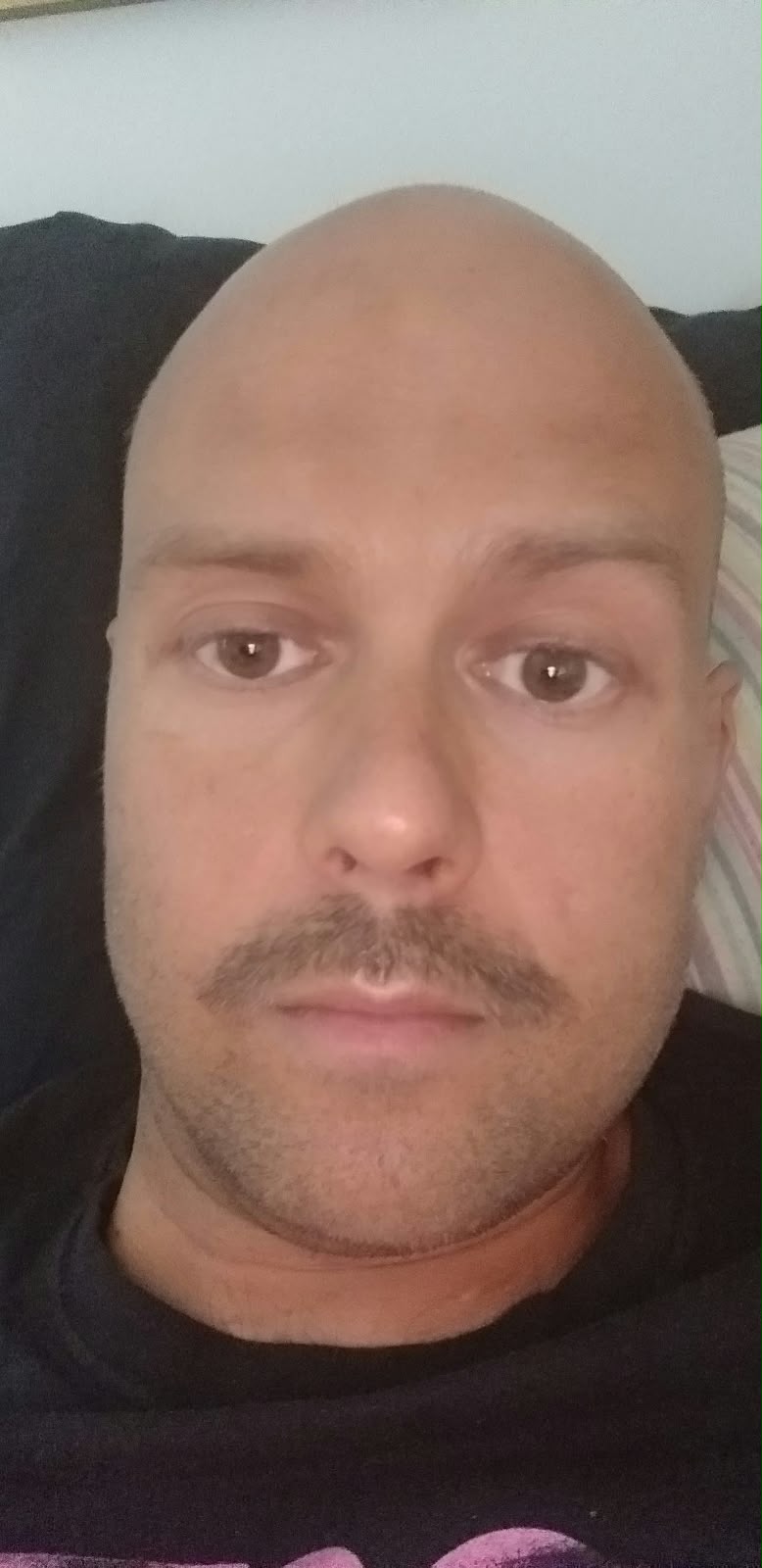
P.S. tässä vaiheessa olin jo ruskettunut kortisolin puutoksen johdosta (blogin pääkuva), mikä olisi voinut antaa lääkärille lisäviestiä, että kyseessä voisi olla Addisonin tauti. Toki harvinainen sairaus on harvinainen sairaus ja Suomessa todetaan ilmaantuvan uusia Addisonin tautitapauksia viisi 1 000 000 ihmistä kohden (Suomen Endokrinologiyhdistys).
Addisonin tauti vei lähelle kuolemaa
Viimeisen terveyskeskuslääkärikäynnin jälkeen, muutaman kuukauden päästä, sain yksin kotona ollessani hengenvaarallisen Addisonin taudin kriisin ja olin hyvin lähellä kuolemaa. Ambulanssi haki minut kotoa ja lopulta makasin tajuttomana kaksi päivää sairaalan tehovalvontaosastolla natrium- ja kortisonitipassa… Tuosta eteenpäin jatkuvaa sairauskertomusta jatkan myöhemmin.
Puoliensa pitäminen sairaanhoidossa – uskalla vaatia
Jälkikäteen mietin, että tein virheen luottaessani sokeasti minua hoitaneisiin lääkäreihin. Olisi pitänyt googlettaa, mistä alhainen veren natrium-arvo olisi voinut johtua, ja olisi pitänyt vaatia jatkotutkimuksia jo vuodesta 2019 lähtien, jolloin olisi voitu havaita, että sairastin primaaria Addisonin tautia (Huom. endokrinologini mukaan sairastin Addisonin tautia kahden vuoden ajan ennen diagnoosia). Olisin siis hyvin voinut kuolla. Olisin voinut välttää hengenvaarallisen Addisonin kriisin, jos tilanteeni olisi otettu vakavasti.
Lyhyesti primaarista Addisonin taudista
Lisämunuaisten kuorikerros lakkaa toimimasta. Tavallisimmin taustalla on elimistön tuntemattomasta syystä käynnistämä vasta-ainereaktio (autoimmmuunisairaus) (lähde: Suomen endokrinologiyhdistys). Lisämunuaisten kuorikerros tuottaa kortisolia (suurin osa ihmisistä tuntee sen varmasti ns. stressihormonina) sekä aldosteronia (ns. suolahormonia, joka pitää yllä veren normaalia natrium- ja kalium-pitoisuutta). Potilas joutuu loppuelämäkseen hormonihoitoon, jolla korvataan elämää ylläpitävät hormonit.
Addisonin tautipotilaiden oma potilasjärjestö: Http://apecedaddison.fi
Sinun, kokemusasiantuntija-Tuukka, Näkymätön Invalidi
Addison’s Disease – My experience with (Finnish!) public healthcare before diagnosis
In 2019 and 2020, I had blood tests that revealed that my sodium levels were below the normal reference range, meaning that the sodium concentration in my blood was lower than normal. In other words, I had hyponatremia. I was not diagnosed with primary Addison’s disease until March 2021, when I experienced an Addisonian crisis.
The first doctor asked me: “Are you dehydrating yourself?”
The first abnormality in my blood sodium levels was discovered in 2019. The doctor who ordered the blood test asked me whether I was deliberately dehydrating myself, because my sodium level was below the normal reference range.
I didn’t really understand the question, as I had never heard of deliberately “dehydrating yourself” before. I said no, because I wasn’t doing anything out of the ordinary in my daily life. I was drinking water and eating salt in exactly the same way and in the same quantities as before. I had never had any problems with my blood sodium levels in the past.
The doctor consulted another doctor, but they decided not to investigate the low sodium level any further. And that was the end of it.
The nurse advised me: “eat more salt”
I called my healthcare provider again about a different issue, and a nurse helped me with that problem. While I was on the phone, I also asked about my low sodium levels. The nurse advised me to eat more salt to increase the sodium concentration in my blood.
(My sodium levels never increased as a result of this advice, because my adrenal cortex was no longer producing enough of the hormone aldosterone, which helps maintain adequate sodium levels in the blood.)
A skin infection brought me back into contact with healthcare
A Skin Infection Brought Me Back into Contact with Healthcare
I developed an extensive skin infection. It may have been related to the fact that, because of Addison’s disease, my body was no longer producing enough cortisol, a hormone that plays an important role in helping the body respond to infections.
I asked to see a doctor, but the nurse diagnosed me over the phone with a fungal skin infection. However, the symptoms I described, and the extent to which the affected areas covered my body, did not seem to match the nurse’s description of a fungal infection.
Without seeing my infected skin, the nurse advised me to use an over-the-counter antifungal medication.
I used the medication for three days, enduring excruciating pain (!) caused by applying the antifungal treatment to my infected skin. The inflammation did not subside. Instead, my symptoms continued to worsen because the condition was not a fungal infection.
Eventually, the nurse arranged an appointment for me to see a doctor.
The second doctor said: “mild hyponatremia is okay”
I finally managed to get an appointment with a doctor at my local health centre. This was in November 2020.
The doctor took blood tests because of my unusual skin symptoms, concluded that the condition was not a fungal infection, and prescribed a corticosteroid cream.
The blood tests once again revealed that my sodium levels were still below the normal reference range. However, the doctor considered this harmless — apparently, it was “okay.”
Once again, nothing was done about my persistently low sodium levels, even though I had been suffering from low blood pressure. My low blood pressure had been officially measured at a doctor’s appointment. I was also experiencing dizziness that caused nausea and had even made me fall over a few times.
I didn’t know that I should push for more help, although, at that point, I should have insisted on further investigations.
P.S. By this stage, I had already developed a tan due to cortisol deficiency, as shown in the main photo of this blog post. This could have provided the doctor with another clue that I might have Addison’s disease.
Of course, rare diseases are rare diseases. In Finland, approximately five new cases of Addison’s disease are diagnosed per million people (source: Finnish Society of Endocrinology).
Addison’s disease brought me close to death
A few months after my last appointment with a health centre doctor, I experienced a life-threatening Addisonian crisis while I was home alone.
I came very close to dying.
An ambulance took me from my home to hospital, where I eventually lay unconscious for two days in the intensive care unit…
I will continue sharing my medical journey from that point onward in a future post.
Advocating for Yourself in Healthcare — Dare to Speak Up
Looking back, I feel that I made a mistake by blindly trusting the doctors who treated me.
I should have Googled what might cause low blood sodium levels. I should have demanded further investigations as early as 2019, when it might have been possible to identify my primary Addison’s disease. According to my endocrinologist, I had been living with Addison’s disease for two years before my diagnosis.
I could very easily have died. I might have avoided the life-threatening Addisonian crisis if my sodium levels had been taken seriously.
A brief introduction to primary Addison’s disease
The adrenal cortex stops functioning properly. Most commonly, this is caused by an autoimmune reaction in which the body produces antibodies against its own tissues.
The adrenal cortex produces cortisol (which most people probably know as the so-called ”stress hormone”) and aldosterone (sometimes referred to as the “salt hormone,” because it helps regulate sodium and potassium levels in the blood).
People with Addison’s disease need lifelong hormone replacement therapy to replace these essential hormones and sustain life.
The patient organisation for people with Addison’s disease in Finland:
APECED and Addison’s Disease Association of Finland
Yours,
Tuukka, patient expert, Näkymätön Invalidi (The Invisible Invalid)


