Vuosina 2019 ja 2020 kävin verikokeissa, joissa havaittiin, että vereni natrium-pitoisuus oli alle viitearvojen eli suolapitoisuus veressäni oli normaalia alhaisempi. Kyse oli siitä, että minulla oli hyponatremia (Duodecim Terveyskirjasto). Primaarin Addisonin taudin diagnoosin sain vasta maaliskuussa 2021 Addisonin taudin kriisin yhteydessä.
Ensimmäinen lääkäri kysyi: “kuivatatko itseäsi?”
Ensimmäinen poikkeavuus veren natrium-tasapainossa löytyi heinäkuussa vuonna 2019. Verikokeen tilannut lääkäri kysyi minulta, että kuivatanko itseäni, sillä veren natrium-arvo oli alle viitearvojen. En ymmärtänyt kysymystä, koska en ollut kuullut “kuivattamisesta” aiemmin. Sanoin, että en, koska en tehnyt mitään arjesta poikkeavaa eli join vettä ja söin suolaa ihan samalla tavoin ja samoja määriä kuin aiemmin ja ennen ei ikinä ollut mitään ongelmaa veren suolapitoisuuden kanssa.
Kyseinen lääkäri konsultoi vielä toista lääkäriä, ja viitearvojen alla olevaan natrium-arvoon ei päätetty puuttua enempää. Asia jäi siihen.
Sairaanhoitaja ohjeisti: “syö lisää suolaa”
Soitin hoitopaikkaani uudelleen eräästä toisesta asiasta ja sain siihen sairaanhoitajalta avun. Kun samalla vielä kysyin häneltä tuosta natrium-asiasta, sairaanhoitaja antoi minulle ohjeen, että söisin runsaammin suolaa, että veren natrium-pitoisuus nousisi.
(Natrium-pitoisuus ei koskaan noussut tämän toimen avulla, koska lisämunuaisen kuorikerrokseni ei enää tuottanut tarpeeksi suolahormonia (aldosteroni), joka ylläpitää natrium-tasoa riittävänä veressä.)
Ihotulehduksen kautta uudelleen terveydenhuollon hoiviin
Sain laajan ihotulehduksen. Se saattoi johtua siitä, että kehoni ei Addisonin taudin takia tuottanut enää tarpeeksi kortisolia, joka taistelee normaalisti infektioita vastaan.
Pyysin päästä lääkärille, mutta sairaanhoitaja diagnosoi minulle puhelimessa ihon sieni-infektion, vaikka kuvailemani iho-oireet ja niiden laajuus kehossa eivät selkeästi vastanneet hänen kuvailuaan sieni-infektiosta. Hän ohjeisti käyttämään apteekista saatavaa sienilääkettä hoitona näkemättä infektoitunutta ihoani.
Käytin iholle annosteltavaa sienilääkettä kolme päivää helvetillisten kipujen kanssa, joita sienilääke infektoituneessa ihossani aiheutti. Ihon tulehdustila ei hellittänyt, vaan oireet pahenivat edelleen, koska kyseessä ei ollut sieni-infektio. Lopulta sairaanhoitaja antoi minulle ajan lääkärille.
Toinen lääkäri totesi: “lievä hyponatremia on okei”
Sain viimein ajan terveyskeskuksen lääkärille. Tämä siis vuoden 2020 marraskuussa. Lääkäri otti verikokeet ja totesi, että kyse ei ole sieni-infektiosta ja määräsi iho-oireiluun kortisonivoidetta.
Verikokeet paljastivat jälleen, että natrium-arvoni olivat vieläkin alle viitearvojen, mutta se oli lääkärin mielestä vaaratonta eli siis okei. Hyväksyin lääkärin näkemyksen.
Jo pitkään viitearvojen alla pysyneeseen natrium-tasoon ei siis puututtu, vaikka noin vuoden ajan olin kärsinyt matalasta verenpaineesta (virallisesti mitattu lääkärissä) ja huimauksesta, joka aiheutti pahoinvointia ja jopa muutaman kerran kaatumisen.
Hyponatremian lisäksi minulla oli lukuisia muitakin Addisonin taudin oireita (Apeced ja Addison) johtuen hiipuneesta veren kortisolipitoisuudesta (Duodecim Terveyskirjasto). Muihin oireisiin (mm. henkinen lamaantuminen, vatsakipu, päänsärky, fyysinen uupumus ja aivosumu) olin jo vähitellen tottunut eli ne olivat normalisoituneet osaksi arkeani, joten olin tällä lääkärikäynnillä keskittynyt piinaavan iho-oireilun hoitoon.
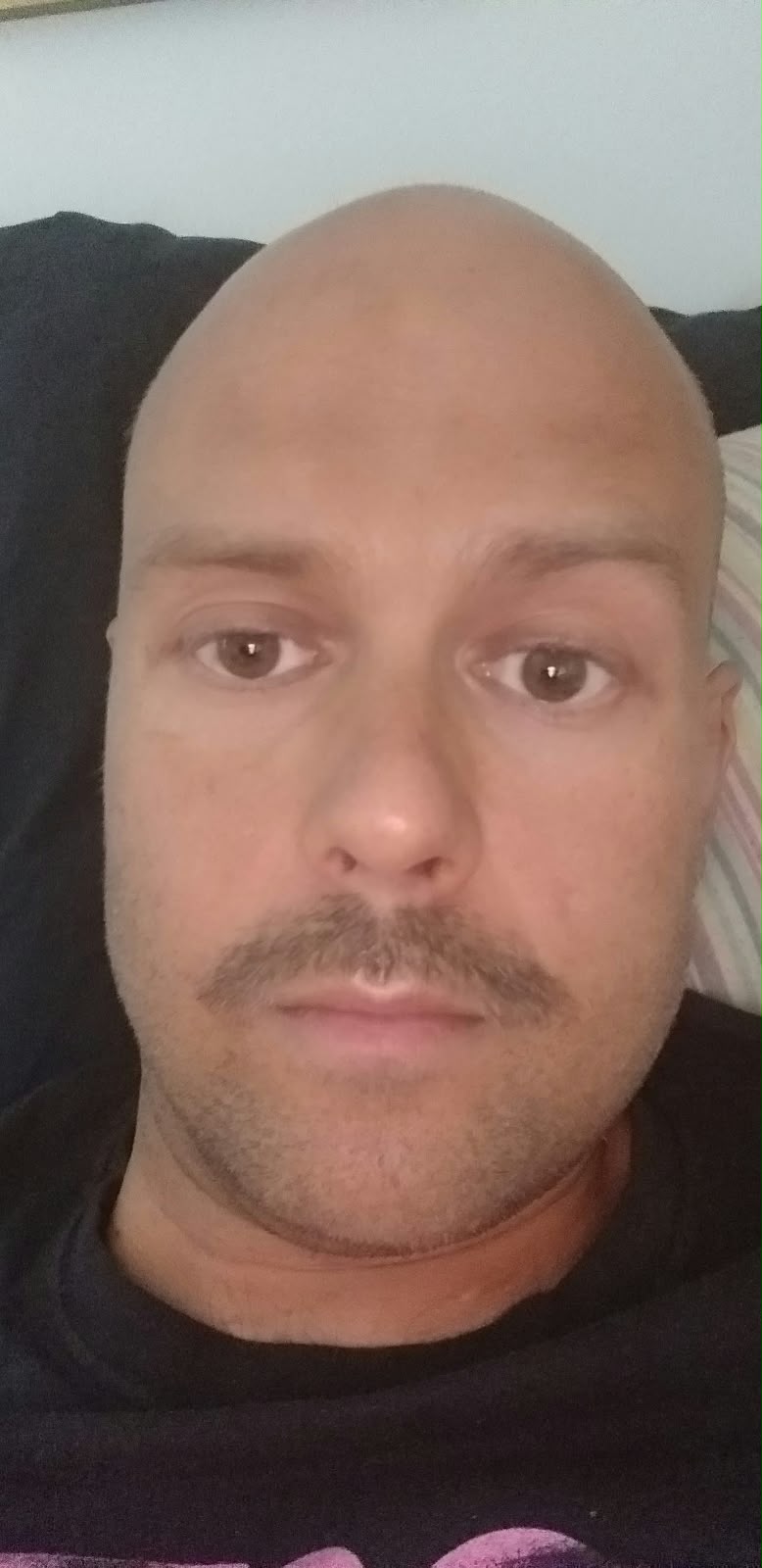
Tässä vaiheessa olin myös jo poikkeavan ruskettunut kortisolin puutoksen johdosta (blogin pääkuva), mikä olisi voinut antaa lääkärille lisäviestiä, että kyseessä voisi olla Addisonin tauti.
Toki harvinainen sairaus on harvinainen sairaus ja Suomessa todetaan ilmaantuvan uusia Addisonin tautitapauksia viisi 1 000 000 ihmistä kohden (Suomen Endokrinologiyhdistys).
Fakta on, että en itse ymmärtänyt vaatia jatkotutkimuksia. Olin jo liian lamaantunut taistellakseni terveyteni puolesta. Varsinkin, kun jo kolme lääkäriä oli todennut, että viitearvojen alapuolella oleva veren natrium-pitoisuus on ok.
Addisonin tauti vei lähelle kuolemaa
Viimeisen terveyskeskuslääkärikäynnin jälkeen, muutaman kuukauden päästä, sain yksin kotona ollessani hengenvaarallisen Addisonin taudin kriisin.
Ambulanssi haki minut kotoa, ja päivystyksessä verikokeen tuloksista nähtiin, että veren natrium oli 110 (viitearvo: 137–145 mmol/l) ja kortisoli oli 106 (viitearvo: 150–650 nmol/l).
Lopulta makasin tajuttomana kaksi päivää sairaalan tehovalvontaosastolla natrium- ja kortisonitipassa… Tuosta eteenpäin jatkuvaa sairauskertomusta jatkan myöhemmin.
Puoliensa pitäminen sairaanhoidossa – uskalla vaatia
Jälkikäteen mietin, että tein virheen luottaessani sokeasti minua hoitaneisiin lääkäreihin. Olisi pitänyt googlettaa, mistä alhainen veren natrium-arvo ja muu vakava oireilu olisi voinut johtua, ja olisi pitänyt vaatia jatkotutkimuksia jo vuodesta 2019 lähtien, jolloin olisi voitu havaita, että sairastin primaaria Addisonin tautia (Huom. endokrinologini mukaan sairastin Addisonin tautia kahden vuoden ajan ennen diagnoosia).
Olisin siis hyvin voinut kuolla. Olisin voinut välttää hengenvaarallisen Addisonin kriisin, jos tilanteeni olisi otettu terveydenhuollossa vakavasti. Asiaa olisi pitänyt tutkia lisää vähintään silloin, kun havaittiin, että veren natrium-arvo oli ollut yli vuoden alle viitearvojen.
Lyhyesti primaarista Addisonin taudista
Lisämunuaisten kuorikerros lakkaa toimimasta. Tavallisimmin taustalla on elimistön tuntemattomasta syystä käynnistämä vasta-ainereaktio (autoimmmuunisairaus) (lähde: Suomen endokrinologiyhdistys). Lisämunuaisten kuorikerros tuottaa kortisolia (suurin osa ihmisistä tuntee sen varmasti ns. stressihormonina) sekä aldosteronia (ns. suolahormonia, joka pitää yllä veren normaalia natrium- ja kalium-pitoisuutta). Potilas joutuu loppuelämäkseen hormonihoitoon, jolla korvataan elämää ylläpitävät hormonit.
Addisonin tautipotilaiden oma potilasjärjestö: Http://apecedaddison.fi
Sinun, kokemusasiantuntija-Tuukka, Näkymätön Invalidi
Addison’s Disease – My experience with (Finnish) public healthcare before diagnosis
In 2019 and 2020, I had blood tests that revealed that my sodium levels were below the normal reference range, meaning that the sodium concentration in my blood was lower than normal. In other words, I had hyponatremia. I was not diagnosed with primary Addison’s disease until March 2021, when I experienced an Addisonian crisis.
The first doctor asked me: “Are you dehydrating yourself?”
The first abnormality in my blood sodium levels was discovered in 2019. The doctor who ordered the blood test asked me whether I was deliberately dehydrating myself, because my sodium level was below the normal reference range.
I didn’t really understand the question, as I had never heard of deliberately “dehydrating yourself” before. I said no, because I wasn’t doing anything out of the ordinary in my daily life. I was drinking water and eating salt in exactly the same way and in the same quantities as before. I had never had any problems with my blood sodium levels in the past.
The doctor consulted another doctor, but they decided not to investigate the low sodium level any further. And that was the end of it.
The nurse advised me: “eat more salt”
I called my healthcare provider again about a different issue, and a nurse helped me with that problem. While I was on the phone, I also asked about my low sodium levels. The nurse advised me to eat more salt to increase the sodium concentration in my blood.
(My sodium levels never increased as a result of this advice, because my adrenal cortex was no longer producing enough of the hormone aldosterone, which helps maintain adequate sodium levels in the blood.)
A Skin Infection Brought Me Back into Contact with Healthcare
I developed an extensive skin inflammation. It may have been related to the fact that, due to Addison’s disease, my body was no longer producing enough cortisol, a hormone that plays an important role in regulating the immune system and the body’s response to infections.
I asked to see a doctor, but the nurse diagnosed me over the phone with a fungal skin infection, even though the skin symptoms I described and the extent to which they covered my body did not seem to match the nurse’s description of a fungal infection. Without seeing my affected skin, the nurse advised me to use an over-the-counter antifungal medication.
I used a topical antifungal medication for three days, enduring excruciating pain caused by applying it to my infected skin. The inflammation did not subside. Instead, my symptoms continued to worsen because the condition was not a fungal infection. Eventually, the nurse arranged an appointment for me to see a doctor.
The second doctor said: “mild hyponatremia is okay”
I finally managed to get an appointment with a doctor at my local health centre. This was in November 2020. The doctor took blood tests, concluded that my condition was not a fungal infection, and prescribed a corticosteroid cream to treat my skin symptoms.
The blood tests once again revealed that my sodium levels were still below the normal reference range, but the doctor considered this harmless. Apparently, it was “okay.” I accepted the doctor’s assessment.
Nothing was done about my persistently low sodium levels, even though they had been below the normal reference range for a long time. For approximately a year, I had also been suffering from low blood pressure (officially measured by a doctor) and dizziness that caused nausea and had even made me fall over a few times.
In addition to hyponatremia, I had numerous other symptoms of Addison’s disease due to my gradually declining blood cortisol levels. I had gradually become accustomed to my other symptoms, including mental shutdown, abdominal pain, headaches, physical exhaustion, and brain fog. They had become normal parts of my everyday life, so during this doctor’s appointment, my focus was on getting relief from my bad skin symptoms.
By this stage, I had also developed unusually dark pigmentation due to cortisol deficiency, as shown in the main photo of this blog post. This could have provided the doctor with another clue that I might have Addison’s disease.
Of course, rare diseases are rare diseases. In Finland, approximately five new cases of Addison’s disease are diagnosed per million people (source: The Finnish Endocrine Society).
The fact is that I didn’t understand that I should insist on further investigations. I was already too mentally exhausted to fight for my own health. Especially when three doctors had already told me that having a blood sodium level below the normal reference range was okay.
Addison’s disease brought me close to death
A few months after my last appointment with a health centre doctor, I experienced a life-threatening Addisonian crisis while I was home alone.
I came very close to dying.
An ambulance took me from my home to hospital, where I eventually lay unconscious for two days in the intensive care unit…
I will continue sharing my medical journey from that point onward in a future post.
Advocating for Yourself in Healthcare — Dare to Speak Up
Looking back, I feel that I made a mistake by blindly trusting the doctors who treated me. I should have Googled what might have been causing my low blood sodium levels and other severe symptoms, and I should have insisted on further investigations as early as 2019. This could have led to the discovery that I had primary Addison’s disease (According to my endocrinologist, I had been living with Addison’s disease for two years before my diagnosis).
I could have died. I might have avoided the life-threatening Addisonian crisis if my condition had been taken seriously by healthcare professionals. Further investigations should have been carried out at the very least when it became clear that my blood sodium levels had remained below the normal reference range for an extended period.
A brief introduction to primary Addison’s disease
The adrenal cortex stops functioning properly. Most commonly, this is caused by an autoimmune reaction in which the body produces antibodies against its own tissues.
The adrenal cortex produces cortisol (which most people probably know as the so-called ”stress hormone”) and aldosterone (sometimes referred to as the “salt hormone,” because it helps regulate sodium and potassium levels in the blood).
People with Addison’s disease need lifelong hormone replacement therapy to replace these essential hormones and sustain life.
The patient organisation for people with Addison’s disease in Finland:
APECED and Addison’s Disease Association of Finland
Yours,
Tuukka, patient expert, Näkymätön Invalidi (The Invisible Invalid)